Romanian Mineral Water: Sparkling or Flat?
When I first arrived in Romania, one detail about Romanian mineral water immediately caught my attention. Older locals often referred to “mineral water” as if it meant only one thing: sparkling water. If you asked for “apă minerală,” you would almost always be given a carbonated bottle, while still water was treated as something entirely different.
Under the Communist Regime: only “Mineral” or “Tap” Water.
Curious about this distinction, I was told a simple but revealing explanation rooted in history. During the communist period, bottled water production focused almost exclusively on naturally sparkling mineral sources. Still water, on the other hand, was not commonly bottled and was generally associated with tap water. As a result, the term “mineral” became culturally linked only to sparkling varieties.
Nowadays: towards an International Standard
Even today, this legacy is visible on store shelves across the country. You will rarely, if ever, find a label that says “mineral flat water” in Romania. Instead, bottles clearly distinguish between apă minerală (sparkling) and apă plată (still), reflecting a historical perception that continues to shape how Romanian mineral water is understood and consumed.
My Favourite Water
My personal preference goes to Borsec still water. I appreciate its balanced taste, which makes it suitable for everyday drinking without being too heavy or too light.
My first Water in Romania
When I first moved to Romania, my situation was quite different. At the time, I was living with a Romanian partner and, due to practical constraints, I adapted to drinking Izvorul Minunilor. It was a simple, accessible choice, and like many things when you relocate, you get used to what is available around you.
Over time, our needs changed. Today, we are a family of three, living on the fourth floor of a building without a lift. Carrying bottles of water upstairs quickly became impractical. This is one of the compromises we accepted in order to live in a pleasant area of Bucharest at a reasonable cost.
The solution: Water Delivery & Dispenser
For this reason, we stopped buying bottled mineral water from stores and switched to home delivery. We currently use Acua Aquavia, distributed by H2ON SRL, which delivers large water containers directly to homes and offices. In Bucharest, a similar service is also offered by La Fântâna.
This experience also shows how, beyond composition and marketing, the “best” water often depends on lifestyle, logistics, and daily habits.
A Country rich of Mineral Water
Romania is one of the richest countries in Europe when it comes to natural mineral water resources. Thanks to the Carpathian Mountains, underground geological formations create a wide variety of mineral compositions, giving rise to dozens of bottled waters with distinct chemical profiles.
A great variety of Mineral Waters
Unlike many Western European markets, where branding dominates perception, Romanian mineral waters differ substantially in mineral content, carbonation, and health impact.
This guide provides a complete, structured overview of Romanian mineral waters, including:
- Major brands
- Mineral composition (where available)
- Natural vs added CO₂
- Classification by type
- Health considerations
🧪 How Mineral Waters Are Classified in Romania
Before analyzing individual brands, it’s essential to understand classification.
By Mineral Content (Residue at 180°C)
- Oligomineral water (< 500 mg/L)
- Medium mineralized (500–1500 mg/L)
- Highly mineralized (> 1500 mg/L)
By Chemical Composition
- Bicarbonate waters (digestive support)
- Calcium-rich waters (bone health)
- Magnesium waters (muscle & nerve support)
- Sodium-rich waters (to be limited in hypertension)
By Carbonation
- Still (flat)
- Naturally sparkling (CO₂ from source)
- Artificially carbonated
👉 In Romania, many waters are naturally carbonated, a key differentiator.
🥤 Major Romanian Mineral Water Brands (with Technical Data)
Borsec Flat & Sparkling Mineral Waters
Official producer website: Borsec Romanian Mineral Water

- Type: Naturally sparkling mineral water
- Residue: ~1200 mg/L
- Calcium: ~140 mg/L
- Magnesium: ~40 mg/L
- Bicarbonates: ~1000 mg/L
- CO₂: ~250–300 mg/L (natural)
- Classification: Medium mineralized, bicarbonate-calcium
Notes:
One of the most balanced mineral waters in Romania. Traditionally associated with digestion and daily consumption.
Aqua Carpatica Flat & Sparkling Mineral Waters
Official producer website: Aqua Carpatica Romanian Mineral Water
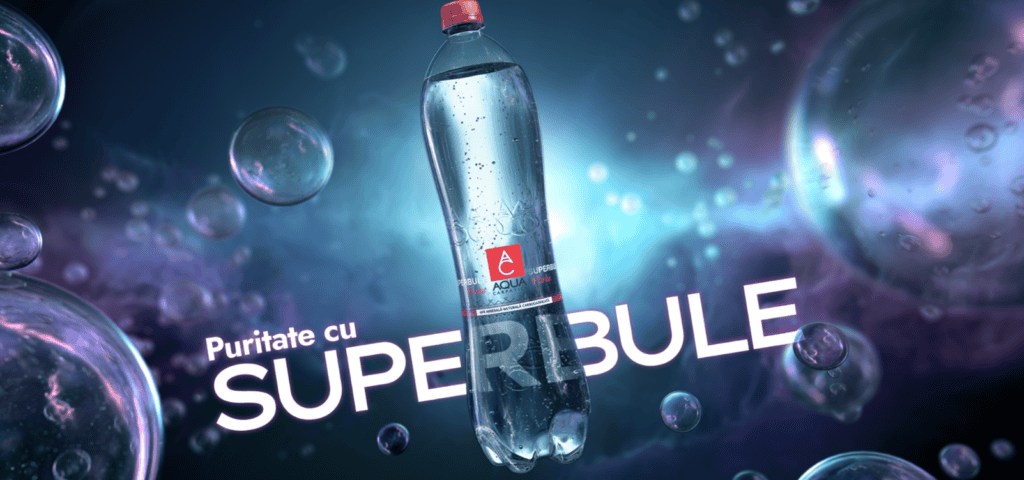
- Type: Still & naturally sparkling
- Residue: ~200–300 mg/L
- Calcium: ~50 mg/L
- Magnesium: ~15 mg/L
- Nitrates: ~0 mg/L
- CO₂: low (sparkling version)
- Classification: Oligomineral
Notes:
Marketed as very low in nitrates, making it popular among health-conscious consumers.
Dorna Flat & Sparkling Mineral Waters
Official producer website: Dorna Romanian Mineral Water

- Type: Still & carbonated
- Residue: ~300–500 mg/L
- Calcium: ~80 mg/L
- Magnesium: ~25 mg/L
- CO₂: varies (often added)
- Classification: Low to medium mineralized
Notes:
Widely consumed daily water with moderate mineral content.
Bucovina Flat Mineral Water
Official producer website: Bucovina Romanian Mineral Water

- Type: Still
- Residue: ~150–300 mg/L
- Calcium: ~40 mg/L
- Magnesium: ~10 mg/L
- CO₂: none
- Classification: Oligomineral
Notes:
Light water, suitable for continuous hydration.
Perla Harghitei Flat & Sparkling Mineral Waters
Official producer website: Perla Harghitei Romanian Mineral Water

- Type: Still & sparkling
- Residue: ~400–800 mg/L
- Calcium: ~100 mg/L
- Magnesium: ~30 mg/L
- CO₂: natural in some variants
- Classification: Medium mineralized
Notes:
Sourced from volcanic areas, often naturally carbonated.
🟢 Other Romanian Mineral Waters (Summary Data)
Izvorul Minunilor
Residue: ~200–400 mg/L
Type: Still
Classification: Oligomineral
Izvorul Minunilor is a Romanian natural spring water sourced from the Vâlcea region, in the foothills of the Carpathians. It is typically available as still water and is positioned as a light, everyday hydration option.


Poiana Negri
- Residue: ~300–600 mg/L
- Type: Still
- Classification: Low mineral
Poiana Negri comes from the Dornelor Basin in northern Romania, an area known for its natural springs. It is mainly a still mineral water, appreciated for its smooth taste and suitability for daily consumption.
Biborțeni
- Residue: >1500 mg/L
- Type: Naturally sparkling
- Classification: Highly mineralized
👉 Strong taste, not ideal for daily large consumption.
Biborțeni originates from Covasna County, a region famous for its naturally carbonated mineral springs. It is a sparkling mineral water with a long tradition, often associated with spa and balneotherapy culture.


Tușnad
- Residue: ~800–1200 mg/L
- Type: Sparkling
- Classification: Medium mineralized
Tușnad mineral water is sourced from the Tușnad area in Harghita County, part of a volcanic region rich in mineral springs. It is commonly found as naturally sparkling water, reflecting the geological characteristics of the area.
Zizin
- Residue: ~1000+ mg/L
- Type: Sparkling
- Classification: Bicarbonate-rich
Zizin comes from Brașov County, in a well-known mineral water area with historical recognition. It is primarily a sparkling mineral water, traditionally valued for its distinct taste and regional heritage.
An “aristocratic” water from Romania
Older people have told me that during the communist period, Zizin water was considered somewhat “aristocratic” and relatively rare. Today, the situation is completely different: it is widely available in almost any shop and has become part of everyday consumption. Interestingly, it is also one of the few Romanian mineral waters that can be purchased in 19-liter dispenser containers, even in standard supermarkets.

🔵 Regional and Lesser-Known Waters

Stânceni
- Medium mineralized
- Often naturally carbonated
Stânceni water is sourced from the Mureș County, in a mountainous area with natural springs. It is available in both still and sparkling versions, with the sparkling variant often being naturally carbonated.
Lipova
- Higher mineral content
- Historically used for therapeutic purposes
Lipova mineral water originates from Arad County and has a long history linked to therapeutic use. It is typically a highly mineralized water, often naturally sparkling, associated with spa traditions.


Carpatina
- Very low mineral content
- Oligomineral
Carpatina is a natural spring water sourced from the Romanian Carpathians. It is a still water, positioned as a low-mineral option suitable for frequent consumption.
Calipso
- Low mineralization
- Commercial distribution
Calipso is a Romanian bottled water brand available mainly as still water. It is marketed as a light and accessible option for everyday hydration, with wide distribution in retail.


Spring Harghita
- Balanced mineral profile
- Regional availability
Spring Harghita water comes from the Harghita Mountains, a volcanic region rich in natural sources. It is generally available as still water, emphasizing purity and mountain origin.
Producer / distributor page: no official website found
🥤 Acua Aquavia – Overview
Acua Aquavia is a bottled water brand distributed in Romania by H2O N SRL (often branded as H2O N or H2ON).
A category apart: water delivered at home/office:
🏭 Producer and Distribution
- Brand: Acua Aquavia
- Distributor in Romania: H2O N SRL
- Origin: Imported product (not a traditional Romanian spring brand)
👉 Unlike Borsec or Biborțeni, Acua Aquavia is:
- not strongly tied to a specific Romanian natural source
- positioned more as a commercial bottled water brand
💧 Type of Water
Acua Aquavia is typically marketed as:
- Still water (apă plată)
- Carbonated water (apă carbogazoasă)
👉 The carbonation is generally:
- added CO₂, not natural
🌍 Positioning and Market Presence
- Found mainly in:
- retail chains
- horeca (restaurants, bars)
- Positioned as:
- accessible / commercial water
- not premium or therapeutic
🧠 Key Differences vs Traditional Romanian Waters
Compared to brands like Borsec or Tușnad:
| Aspect | Acua Aquavia | Traditional Romanian waters |
|---|---|---|
| Origin | Not clearly tied to natural spring branding | Strong geographic origin |
| CO₂ | Typically added | Often natural |
| Positioning | Commercial | Natural / heritage |
| Branding | Generic | Source-based identity |
⚠️ Data availability
👉 There is very limited public technical data:
- mineral composition → not prominently published
- source → not clearly marketed
- scientific positioning → absent
This is itself valuable information for your content.
⚠️ Health Considerations
Benefits
- Calcium supports bone health
- Magnesium aids muscle and nerve function
- Bicarbonates support digestion
Potential Downsides
- High sodium → not ideal for hypertension
- Highly mineralized waters → should not replace daily water intake
- Excess carbonation → may cause bloating in sensitive individuals
👉 The key is matching the water to the use case.
🧠 How to Choose the Right Mineral Water
Daily hydration
- Low mineral (e.g., Bucovina, Aqua Carpatica)
Digestion support
- Bicarbonate-rich (e.g., Borsec, Zizin)
Occasional therapeutic use
- High mineral waters (e.g., Biborțeni)
Still vs Sparkling Romanian Mineral Waters: Composition Comparison
The table below compares Romanian mineral waters by calcium, magnesium, sodium content, CO₂ levels, and mineral classification, distinguishing between still and sparkling versions.
| Water | Type | Calcium (mg/L) | Magnesium (mg/L) | Sodium (mg/L) | CO₂ (mg/L) | CO₂ Origin | Classification | Notes |
|---|---|---|---|---|---|---|---|---|
| Borsec | Sparkling | 55 | 31 | 2.4 | 250–300 | Natural | Bicarbonate-calcium, medium mineral | Naturally carbonated, digestive support. Recommended for Digestion. |
| Borsec | Still | ~50 | ~30 | ~2–5 | 0 | None | Bicarbonate-calcium, medium mineral | Same source, no carbonation. Recommended for Daily hydration. |
| Aqua Carpatica | Still | ~40 | ~20 | <5 | 0 | None | Oligomineral | Very low nitrates, light profile. Recommended for Daily hydration. |
| Aqua Carpatica | Sparkling | ~40 | ~20 | <5 | low | Natural | Oligomineral | Light natural carbonation. Recommended for Daily hydration. |
| Dorna | Still | ~50 | ~25 | ~10–20 | 0 | None | Low–medium mineral | Balanced daily water. Recommended for Daily hydration. |
| Dorna | Sparkling | ~50 | ~25 | ~10–20 | variable | Added | Low–medium mineral | Carbonation typically added. Recommended for Occasional Use. |
| Bucovina | Still | ~35 | ~15 | <10 | 0 | None | Oligomineral | Light mineralization. Recommended for Daily hydration. |
| Perla Harghitei | Still | ~90–100 | ~25–30 | ~10–20 | 0 | None | Bicarbonate, medium mineral | Rich mineral profile. Recommended for Daily Use / Digestion. |
| Perla Harghitei | Sparkling | ~100 | ~30 | ~10–30 | natural (varies) | Natural | Bicarbonate, medium mineral | Naturally carbonated, volcanic origin. Recommended for Digestion |
📌 Conclusion
Romanian mineral waters are not interchangeable products.
They differ significantly in composition, origin, and physiological effects.
Understanding these differences allows you to:
- Choose better for your health
- Avoid misleading marketing
- Use mineral water strategically
Related Reading
This article is part of a broader Guide on Romanian Mineral Waters; each of the linked articles below explores one of these products in detail.
- Romanian Mineral Water: Borsec Flat & Sparkling Waters
- Romanian Mineral Water: Dorna Flat & Sparkling Waters
- Romanian Mineral Water: Aqua Carpatica Flat & Sparkling Waters
- Romanian Mineral Water: Perla Harghitei Flat & Sparkling Waters
- Romanian Mineral Water: Bucovina Flat Water